
Understanding Flood Lights: Your Complete Guide to Outdoor and Indoor Lighting Solutions
When it comes to illuminating large areas with powerful, wide-reaching light, flood lights stand as the go-to solution for homeowners, businesses, and outdoor enthusiasts alike. These versatile lighting fixtures have become essential components in modern lighting design, serving purposes that range from security and safety to aesthetics and functionality. Understanding what flood lights are, how they work, and which options best suit specific needs helps anyone make informed decisions about their lighting investments.
Why Do They Call It Flood Lights?
The term "flood lights" derives from the way these fixtures distribute illumination—they literally "flood" an area with light. Unlike spotlights that concentrate their beam into a narrow, focused ray, flood lights spread illumination across a wide area, creating a broad wash of light that covers substantial spaces. This flooding effect makes them ideal for applications where comprehensive coverage matters more than pinpoint precision.
The design philosophy behind flood lights emphasizes breadth over focus. When someone needs to illuminate an entire backyard, a building facade, or a parking area, flood lights provide the solution. The name perfectly captures their function: just as water floods an area during heavy rain, these lights flood spaces with illumination, ensuring no dark corners remain and visibility extends across the entire targeted zone.
Historically, flood lights gained prominence in outdoor venues and large-scale applications. Flood light stadium installations became iconic examples of this technology, with massive arrays of these fixtures turning night into day for sporting events and concerts. The ability to provide uniform illumination across vast areas made them indispensable for any situation requiring high visibility after dark.
What Is the Purpose of a Flood Light?
Security and Safety Applications
The primary flood lights purpose centers on security and safety. Flood lights security cameras often work in tandem, with the lighting providing clear visibility for surveillance systems while simultaneously deterring potential intruders. A well-lit property feels less vulnerable, as darkness provides cover for unwanted activities. When flood lights sensor outdoor features activate upon detecting motion, they startle potential intruders while alerting property owners to activity around their homes or businesses.
Many homeowners install flood lights around house perimeters specifically for security purposes. These installations eliminate shadowy areas where someone might hide, while flood lights with motion sensor capabilities provide energy-efficient security by illuminating only when needed. The psychological impact of sudden bright light cannot be understated—it creates an immediate deterrent effect that passive security measures cannot match.
Practical Illumination Needs
Beyond security, flood lights serve numerous practical purposes. Flood lights for garage spaces ensure safe vehicle entry and exit while providing adequate light for maintenance tasks or storage access. Similarly, flood lights backyard installations extend the usability of outdoor living spaces well into evening hours, allowing families to enjoy patios, pools, and entertainment areas after sunset.
For those working outdoors after dark, flood lights with stand configurations provide portable lighting solutions. Construction sites, emergency repairs, and outdoor events all benefit from the flexibility these portable options offer. The ability to position light exactly where needed, when needed, makes standalone flood lights invaluable tools for various applications.
Aesthetic and Landscape Enhancement
The flood lights purpose extends beyond pure functionality into aesthetic territory. Flood lights for trees create dramatic uplighting effects that showcase landscape features and architectural elements. These installations transform ordinary yards into enchanting nighttime displays, with strategically positioned fixtures highlighting focal points and creating depth through layered lighting.
Flood lights for garden applications allow plant enthusiasts to showcase their horticultural achievements even after dark. The interplay of light and shadow adds dimension to landscapes, while carefully selected color temperatures can enhance or alter the perceived colors of flowers, foliage, and hardscaping elements.
Understanding Different Types of Flood Lights
LED Flood Lights: Modern Efficiency
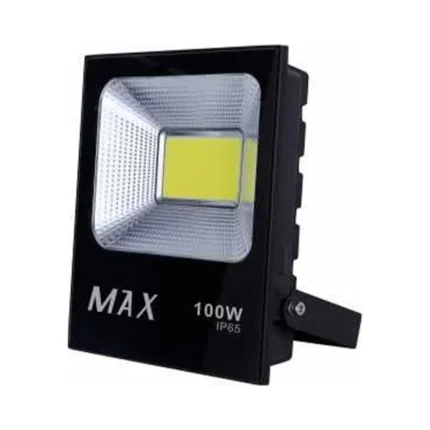
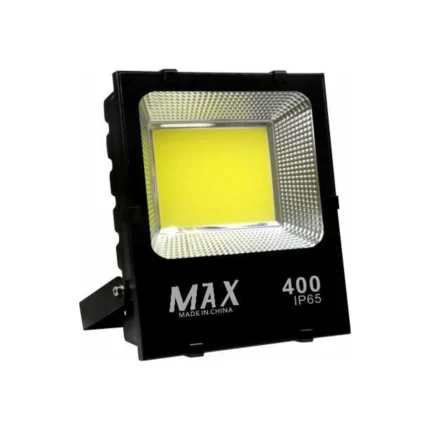
The evolution from traditional flood lights incandescent models to modern LED technology has revolutionized the industry. LED flood lights 80w units can provide illumination equivalent to much higher wattage incandescent bulbs while consuming a fraction of the electricity. Options like flood light led 400w or flood lights led 100w offer powerful illumination with remarkable energy efficiency.
The variety of LED options continues expanding. Consumers can find flood light led 60 watt for moderate applications, flood light led 40w for smaller spaces, or scale up to flood light led 400 watt or even flood light led 600w for commercial or large residential projects. This range ensures appropriate solutions exist for virtually any requirement.
Halogen Flood Lights: Traditional Intensity
Despite LED dominance, flood lights halogen options maintain relevance in specific applications. Those conducting flood lights halogen vs led comparisons discover that halogen units provide excellent color rendering and instant full brightness without warm-up periods. However, they generate significantly more heat and consume more electricity than their LED counterparts.
Solar-Powered Solutions
Environmental consciousness and installation convenience have driven growth in flood lights outdoor solar options. These self-contained systems eliminate wiring requirements while reducing ongoing electricity costs. Solar flood lights 800w configurations can provide substantial illumination powered entirely by renewable energy, though performance depends on adequate sunlight exposure for battery charging.
The appeal of flood lights solar outdoor installations extends beyond environmental benefits. The elimination of electrical wiring simplifies installation, reduces costs, and allows placement in locations where running power lines would prove difficult or expensive. However, users must ensure their chosen locations receive sufficient direct sunlight to maintain battery charge, particularly during shorter winter days.
Power Options and Specifications
Common Wattage Configurations
Understanding wattage helps in selecting appropriately powered fixtures. For modest needs, options like flood light 5 watt or flood light 7 watt provide accent lighting without excessive power consumption. Mid-range applications might utilize flood light 50 watt configurations, with flood light 50 watt philips representing quality options in this category.
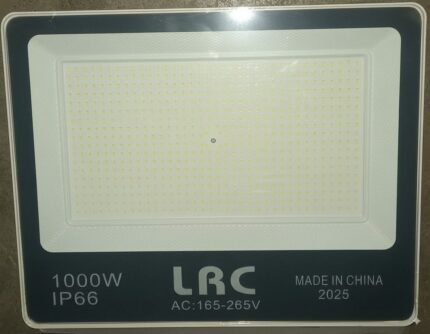
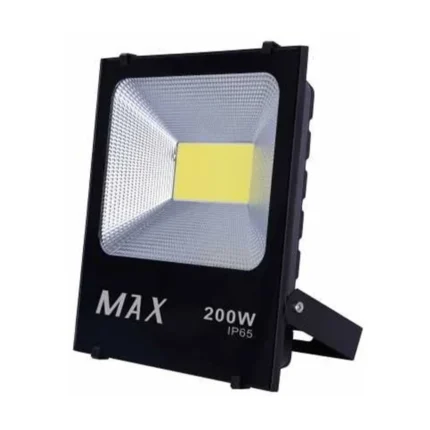
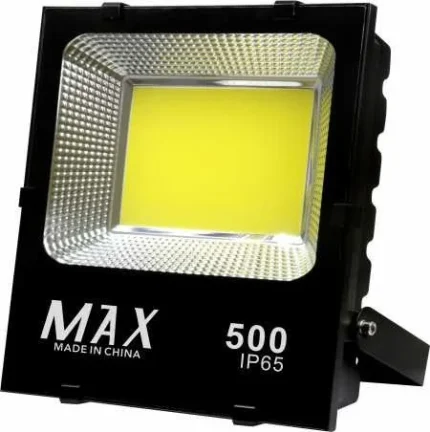
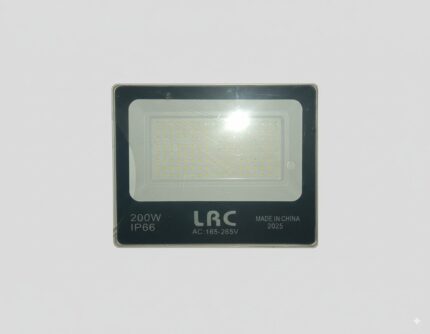
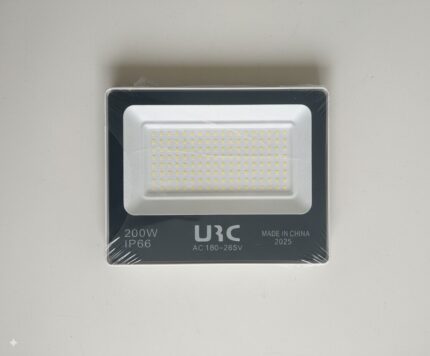
Larger spaces require more substantial power. Flood light 200w installations suit medium to large residential applications, while commercial properties might specify flood light 500w or even flood lights 1000w for comprehensive coverage. The flood light 250 watt and flood light 350 watt options fill the middle ground, offering robust illumination without the energy demands of the highest-wattage fixtures.
For specific applications, options like flood light 70w, flood light 75w, flood light 90 watt, and flood lights 300w provide incremental power levels that allow fine-tuning of illumination intensity. Understanding that higher wattage doesn't always mean better performance—especially with efficient LED technology—helps consumers make cost-effective choices.
Measuring Light Output
While wattage indicates power consumption, flood lights lumens measurements reveal actual light output. Modern LED fixtures can produce impressive lumens with relatively low wattage. A flood light 7000 lumens or flood light 8000 lumens LED fixture might consume only a fraction of the power a traditional bulb would require for equivalent output.
High-performance options like the flood light 80w 4k 8000 lumen demonstrate how contemporary technology combines efficiency with power. These specifications indicate substantial light output with moderate energy consumption, representing the sweet spot many consumers seek when balancing illumination needs against operating costs.
What Are Two Types of Floodlights?
Stationary vs. Portable Flood Lights
One fundamental distinction separates flood lights into stationary and portable categories. Stationary installations include flood lights hardwired into electrical systems, providing permanent lighting solutions for buildings, landscapes, and security applications. These fixtures remain in fixed positions, offering consistent, reliable illumination night after night.
Portable configurations, including flood lights with stand assemblies, provide mobility and flexibility. These units allow users to position lighting exactly where needed for temporary applications. Construction professionals, event coordinators, and homeowners tackling outdoor projects appreciate the adaptability portable flood lights offer. Some advanced options like flood light with usb charger or flood light with usb connectivity even provide device charging capabilities alongside their primary illumination function.
Motion-Activated vs. Constant Illumination
Another primary distinction involves control mechanisms. Flood lights motion sensor models activate only when detecting movement within their sensing range. This approach conserves energy while providing security benefits—the sudden illumination startles potential intruders while alerting occupants to activity around the property.
Options like flood lights led motion sensor combine energy-efficient LED technology with smart activation, maximizing both performance and economy. Many modern systems, including flood lights with motion sensor and camera integrated solutions, elevate security by simultaneously recording video when motion triggers the lights.
Constant illumination fixtures, conversely, remain lit whenever powered. Applications like flood light stadium installations or flood lights that stay on all night for security purposes utilize this approach. Some systems incorporate flood lights with photocell sensors that automatically activate at dusk and deactivate at dawn, providing hands-free operation while conserving energy during daylight hours.
Traditional vs. Smart Flood Lights
Technology integration has created another meaningful category distinction. Traditional flood lights operate through simple on-off switches or timers, providing straightforward functionality without connectivity features. These remain popular for their simplicity, reliability, and lower initial costs.
Smart flood lights represent the modern evolution, with options like flood lights controlled by phone apps, flood lights compatible with google home, flood lights google nest integration, and flood lights that work with google home ecosystems. These connected devices allow remote operation, scheduling, and integration into broader home automation systems. Users can control their flood lights remote control style from anywhere with internet connectivity, adjust brightness levels, and create sophisticated lighting schedules through smartphone applications.
What Are the Disadvantages of LED Flood Lights?
Initial Cost Considerations
Despite long-term savings, LED flood lights typically carry higher upfront costs than traditional alternatives. Quality LED fixtures command premium prices that can surprise consumers accustomed to inexpensive incandescent or halogen options. While the investment pays dividends through reduced energy consumption and extended lifespan, the initial flood lights cost creates a barrier for budget-conscious buyers.
Those researching flood lights 400w price, flood lights 100w price, or other specific configurations often experience sticker shock when comparing LED options to traditional technology. However, calculating total cost of ownership—including electricity consumption and replacement frequency—typically reveals LED fixtures as economically superior over their operational lifetime.
Quality Variations in the Market
The proliferation of LED technology has flooded markets with products of wildly varying quality. While premium manufacturers like flood lights philips maintain rigorous standards, countless budget options sacrifice performance, longevity, and safety for lower prices. Consumers seeking flood lights cheap options risk purchasing fixtures with poor color rendering, inadequate heat management, or premature failure.
This quality variation makes careful research essential. Understanding specifications, reading reviews, and purchasing from reputable sources helps avoid disappointment. The flood light high quality designation isn't standardized, requiring consumers to evaluate construction, components, and manufacturer reputation when making selections.
Heat Management and Design Limitations
Though LED fixtures generate less heat than traditional alternatives, they still require proper thermal management. LED chips themselves produce minimal heat, but power supply components and drivers generate warmth that requires dissipation. Inadequate heat management can shorten LED lifespan significantly, making fixture design quality crucial.
This thermal consideration influences fixture aesthetics and size. LED flood lights require heat sinks and ventilation, often resulting in bulkier designs than their traditional counterparts. While manufacturers have made significant progress creating flood lights decorative options that balance performance with appearance, some consumers find LED fixtures less attractive than traditional designs.
Color Temperature and Rendering Challenges
While modern LED technology has largely overcome early color rendering limitations, some applications still present challenges. Certain LED fixtures, particularly budget options, produce light with poor color rendering index (CRI) values that make colors appear washed out or unnatural. This proves particularly problematic for applications like flood lights for garden installations where accurate color representation matters.
Color temperature consistency can also vary, with some fixtures producing cooler, more clinical light than consumers anticipate. Options explicitly marketed as flood lights warm white address this concern, but buyers must pay attention to specifications. The difference between flood lights 3000k (warm white), flood lights daylight temperatures around 5000k, and flood lights 6000k (cool white) significantly impacts the ambiance and functionality of installations.
Compatibility and Control Complications
The integration of smart features introduces potential complications. Flood lights wifi connectivity depends on reliable network coverage, while flood lights zigbee and similar protocols require compatible hub devices. When flood lights not working issues arise with smart fixtures, troubleshooting becomes more complex than with simple traditional lights.
Compatibility concerns extend to existing infrastructure. Those replacing traditional fixtures might discover that flood lights not working with new bulb situations arise from incompatible dimmer switches, inadequate electrical boxes, or wiring issues. The flood light no motion sensor option might be preferred when existing systems don't accommodate sensor technology, requiring careful planning during upgrades.
Are Flood Lights Indoor or Outdoor?
Primary Outdoor Applications
The term "flood lights" most commonly describes outdoor fixtures designed to withstand weather exposure. Flood lights outdoor applications dominate the market, with designs specifically engineered to resist rain, snow, temperature extremes, and UV degradation. These fixtures feature weatherproof enclosures, sealed electrical connections, and corrosion-resistant materials essential for exterior use.
Common outdoor applications include flood lights for your house perimeter security, flood lights driveway illumination for safe navigation, and flood lights for your backyard entertainment spaces. Commercial applications encompass everything from flood lights rental equipment for events to permanent flood light stadium installations in sports facilities.
Weather resistance manifests in specifications like flood light 50 watt ip66 or flood light 300w ip66 ratings. The IP (Ingress Protection) code indicates how well fixtures resist dust and water intrusion, with IP66 representing excellent protection suitable for exposed outdoor locations. Such ratings ensure fixtures survive Dubai's occasional dust storms and the condensation that forms when air-conditioned structures meet humid outdoor air.
Indoor Flood Light Applications
Despite outdoor dominance, flood lights led indoor applications exist and serve important purposes. Large interior spaces like warehouses, gymnasiums, and manufacturing facilities utilize indoor flood lights for comprehensive illumination. Even residential applications include flood lights in ceiling installations for rooms requiring bright, even lighting.
Flood lights garage interior installations provide an excellent example of indoor flood light utility. These spaces benefit from the broad, even illumination flood lights provide, ensuring adequate visibility for vehicle maintenance, storage organization, and workshop activities. Similarly, flood lights in kitchen commercial settings provide the intense, uniform lighting that food preparation requires.
Indoor flood lights don't require the weather resistance of outdoor models, allowing manufacturers to optimize them differently. Flood lights in house installations might emphasize aesthetic appearance over durability, while flood lights in ceiling commercial applications prioritize light output and energy efficiency above all else.
Versatile Applications Blur the Boundaries
Some flood light designs work equally well indoors and outdoors. Portable flood lights generator-powered units or flood lights battery powered configurations provide flexible illumination regardless of location. These self-contained systems find use in basements, attics, and outdoor worksites alike, demonstrating that the indoor-outdoor distinction isn't always absolute.
The key differentiator remains weather resistance. Those planning installations should consider environmental exposure carefully. An outdoor-rated fixture works perfectly well indoors, but indoor-only fixtures fail quickly when exposed to weather. When uncertainty exists about installation location or future relocation possibilities, choosing outdoor-rated fixtures provides maximum flexibility.
Is It Safe to Leave Flood Lights On All Night?
Safety Considerations for Continuous Operation
Modern LED flood lights designed for continuous operation can safely remain illuminated all night. Unlike older technologies, quality LED fixtures generate minimal heat and include thermal management systems that maintain safe operating temperatures indefinitely. However, several factors influence whether leaving flood lights that stay on all night represents the best approach.
Fixture quality proves crucial. Premium manufacturers design their products for 24/7 operation, incorporating robust components, effective cooling, and reliable power supplies. Budget options might lack these features, potentially overheating with continuous use. Checking manufacturer specifications regarding duty cycle and continuous operation ratings helps avoid problems.
Electrical system capacity also matters. Multiple high-wattage fixtures operating simultaneously place demands on electrical circuits. Those experiencing flood lights keep tripping breaker issues likely have overloaded circuits requiring professional evaluation. Proper installation by qualified electricians ensures systems safely handle their intended loads.
Energy and Cost Implications
While safe, flood lights that stay on all night consume significant electricity over time. Even efficient LED fixtures accumulate substantial energy costs when operating continuously. Calculating the cost—taking local electricity rates and fixture wattage into account—helps determine whether continuous operation makes economic sense.
For many applications, motion-activated or timer-controlled operation provides better alternatives. Flood lights dusk to dawn controls using photocell sensors activate automatically at sunset and deactivate at sunrise, eliminating unnecessary daytime operation while ensuring consistent nighttime illumination. This approach balances security benefits against energy conservation.
Flood lights with photocell technology represents another efficient option, automatically adjusting operation based on ambient light levels. These systems eliminate the need for manual control while optimizing energy consumption, ensuring lights operate only when darkness actually requires them.
Security vs. Efficiency Balance
The decision to leave flood lights on all night often involves weighing security benefits against energy costs. Constant illumination certainly eliminates hiding spots and provides deterrent value, but motion-activated alternatives offer comparable security with greater efficiency. When flood lights motion sensor features detect activity, the sudden illumination actually provides superior deterrent effects compared to constant lighting that potential intruders have already noticed and accounted for.
Modern security approaches often combine technologies. A system might maintain low-level ambient lighting continuously while incorporating flood lights with motion sensor and camera systems that activate full illumination and recording when detecting movement. This hybrid approach balances energy efficiency with comprehensive security coverage.
Environmental and Community Considerations
Beyond personal costs and safety, continuous flood light operation affects communities and environments. Light pollution from improperly aimed or excessive outdoor lighting interferes with wildlife, disrupts natural cycles, and degrades the nighttime environment for neighbors. Responsible flood lights installation considers light direction, intensity, and operating schedules to minimize negative impacts.
Many municipalities regulate outdoor lighting, particularly flood lights brightness levels and operating hours. Before implementing continuous lighting, checking local regulations ensures compliance and avoids potential conflicts with neighbors. Using properly aimed fixtures, shields to prevent light trespass, and modest intensity levels helps balance security needs against community consideration.
Smart Features and Modern Flood Light Technology
Integration with Home Automation
Contemporary flood lights increasingly incorporate smart home compatibility. Options supporting flood lights google home voice control, flood lights nest integration, or flood lights controlled by phone apps provide unprecedented convenience and control. Users can adjust settings, create schedules, and monitor their lighting systems from anywhere with internet connectivity.
These connected systems enable sophisticated automation. Flood lights can activate when other security system components detect issues, coordinate with indoor lighting for away-from-home simulation, or adjust based on weather conditions and seasonal sunrise/sunset timing. The integration possibilities continue expanding as smart home ecosystems mature.
Color-Changing Capabilities
Innovation extends beyond simple on-off functionality. Flood lights rgb models allow users to select from millions of colors, creating dynamic lighting displays for entertainment, holidays, or simple ambiance enhancement. Flood lights that change colors add versatility, allowing single fixtures to serve security, task lighting, and decorative purposes depending on programming.
These color-capable options like flood light 50 watt rgb demonstrate how flood lights modern iterations transcend traditional roles. Properties can display team colors during sporting events, create holiday lighting displays, or simply adjust color temperature and intensity to match different activities and preferences.
Enhanced Sensor Technology
Motion detection has evolved far beyond simple on-off triggers. Modern flood lights sensor outdoor capabilities include adjustable sensitivity, customizable detection zones, and differentiation between various movement types. Some systems can distinguish between vehicles, people, and animals, reducing false activations while maintaining security effectiveness.
Integration with cameras enhances functionality further. Flood lights security cameras combinations provide both deterrence and documentation, with motion triggering simultaneous illumination and recording. These systems offer comprehensive security solutions that capture high-quality video evidence whenever their detection zones activate.
Installation and Maintenance Considerations
Professional vs. DIY Installation
Flood lights installation requirements vary by fixture type and location. Simple plug-in models like flood lights outdoor plug in options require minimal expertise—users simply position the fixture and connect to an existing outlet. These represent ideal solutions for renters or those seeking easy, non-permanent lighting.
Permanent installations requiring electrical work demand professional expertise. Hardwired fixtures need proper electrical box mounting, secure wiring connections, and weatherproof sealing. Those lacking electrical experience should seek flood lights installation near me professional services to ensure safe, code-compliant installations. The flood lights installation cost for professional work provides value through correct implementation and reduced liability.
Some applications present unique challenges. Flood lights under eave positioning requires careful attention to heat buildup, while flood lights under soffit installations must account for ventilation. Flood lights on truck or flood lights on car mobile applications demand durable mounting and protection against vibration and impact. Understanding these requirements before starting projects prevents expensive mistakes.
Maintenance Requirements
Proper maintenance extends flood light lifespan and maintains performance. Regular cleaning removes dirt, dust, and debris that accumulate on fixtures and lenses, potentially reducing light output by substantial margins. In Dubai's dusty environment, quarterly cleaning might prove necessary, whereas less challenging climates allow longer intervals.
When flood lights not turning on problems occur, systematic troubleshooting identifies causes. Common issues include:
- Tripped breakers from overloaded circuits (particularly if flood lights keep tripping breaker repeatedly)
- Burned-out bulbs needing replacement (though less common with long-life LEDs)
- Failed motion sensors or photocells requiring adjustment or replacement
- Loose wiring connections requiring tightening
- Failed power supplies in LED fixtures
Those experiencing flood light bulbs keep burning out situations with LED fixtures should investigate voltage irregularities, excessive heat buildup, or incompatible dimmer switches. While LEDs last far longer than traditional bulbs, cheap components or improper installation can cause premature failures.
Specialized Flood Light Applications
Landscape and Decorative Lighting
Beyond pure functionality, flood lights serve important aesthetic roles. Spot lights kitchen installations provide task lighting for food preparation, while yard spotlights create drama by uplighting trees, highlighting architectural features, or defining property boundaries. The distinction between flood and spot lights lies primarily in beam angle—spotlights concentrate light into tighter beams, while flood lights spread illumination broadly.
Landscape applications benefit from color temperature choices. Flood lights warm white selections create inviting, cozy ambiance for entertainment spaces, while flood lights daylight temperatures showcase architectural details with clean, crisp illumination. Understanding how different color temperatures affect perception helps achieve desired aesthetic effects.
Commercial and Industrial Applications
Commercial properties utilize flood lights extensively. Flood light stadium installations represent large-scale applications, while smaller businesses rely on flood lights for garage commercial operations, flood lights parking lot security, and building facade illumination. Industrial facilities use flood lights warehouse interiors, flood lights manufacturing floor areas, and flood lights loading dock zones.
These commercial applications often specify particular features. Flood lights dj and event professionals require portable, easily positioned fixtures, while flood lights rental businesses maintain inventories of robust, transport-friendly equipment. Understanding application-specific requirements ensures appropriate equipment selection.
Portable and Emergency Lighting
Portable configurations serve crucial roles during emergencies and temporary work. Flood lights battery powered options provide illumination during power outages or in locations lacking electrical infrastructure. These self-contained units often incorporate rechargeable batteries, with some offering flood light with usb charger capabilities for device charging during emergencies.
Construction and maintenance professionals rely heavily on portable lighting. Flood lights generator powered systems provide high-output illumination for nighttime work, while compact flood lights dewalt and flood lights milwaukee branded professional-grade portable options offer durability and performance for demanding applications.
Technical Specifications and Selection Criteria
Understanding IP Ratings and Weather Resistance
For outdoor applications, Ingress Protection (IP) ratings indicate weather resistance levels. Common specifications like flood light 50 watt ip66 or flood light 300w ip66 describe fixtures suitable for exposed locations. The two-digit IP code indicates dust protection (first digit) and water resistance (second digit), with higher numbers indicating superior protection.
Dubai's climate presents particular challenges. While precipitation remains minimal, dust, humidity, and extreme temperatures demand robust construction. Fixtures must withstand intense sunlight that can degrade plastics and finishes, while sealed electrical connections prevent moisture intrusion from condensation.
Beam Angle and Coverage
Beam angle determines how light spreads from fixtures. Wide beam angles (120° or greater) characterize true flood lights, providing broad coverage ideal for general area illumination. Narrower angles create more focused beams, concentrating light over smaller areas with greater intensity.
Selecting appropriate beam angles ensures efficient coverage. Too narrow, and dark spots remain between multiple fixtures. Too wide, and light intensity falls below requirements. Understanding coverage patterns helps determine fixture quantity, positioning, and mounting heights for comprehensive illumination.
Color Temperature Selection
Color temperature, measured in Kelvins, profoundly impacts appearance and functionality. Flood lights warm white options (2700K-3000K) create cozy, inviting ambiance suitable for residential entertainment spaces and architectural accent lighting. Flood lights 3000k represents a popular warm white choice balancing warmth with reasonable clarity.
Neutral white (3500K-4500K) serves versatile applications, providing good color rendering without appearing overly warm or cool. For security and task lighting where color accuracy matters less than visibility, flood lights daylight (5000K-5500K) or flood lights 6000k cool white options provide crisp, clear illumination that penetrates distance effectively.
Brand Considerations and Quality Indicators
Reputable Manufacturers
Quality varies dramatically across manufacturers. Established brands like flood lights philips, represented by models such as flood light 500 watt philips, flood light 70w philips, and philips flood light 90w, maintain reputations for reliability and performance. These companies invest in research, use premium components, and back products with substantial warranties.
Other respected manufacturers producing quality flood lights include recognized professional lighting brands. While specific model recommendations exceed this article's scope, researching manufacturer reputations, warranty terms, and user reviews helps identify quality flood lights worth their premium pricing.
Warning Signs of Low-Quality Products
Several indicators suggest potentially problematic fixtures. Extremely low prices that seem too good to be true usually are—quality components cost money, and impossibly cheap fixtures likely cut corners dangerously. Vague or missing specifications, lack of warranty information, and unknown manufacturer names all raise red flags.
Physical construction reveals quality too. Lightweight fixtures with thin metal housings, flimsy mounting brackets, and poorly fitting components suggest inadequate engineering. Quality fixtures feel substantial, feature robust construction, and show careful attention to detail in design and assembly.
Troubleshooting Common Issues
Addressing Performance Problems
When flood lights not working issues arise, systematic diagnosis identifies causes. Start by verifying power supply—check circuit breakers, GFCI outlets, and switches. For flood lights wireless systems, verify battery charges and wireless signal strength.
Sensor-related problems represent common complaints. If flood lights not turning on with motion sensor activation fails, adjust sensitivity settings, clear obstructions from sensor lenses, and verify detection zone alignment. Sometimes flood lights not working on blink or other smart home systems relates to connectivity issues requiring network troubleshooting.
For flood lights keep blinking problems, investigate loose electrical connections, incompatible dimmers, or failing power supplies. When flood light not working with new bulb situations occur, verify bulb compatibility, check socket contacts, and ensure fixture hasn't failed.
When to Seek Professional Help
While many flood light issues allow DIY resolution, some situations require professional electrical expertise. Persistent flood lights keep tripping breaker problems suggest circuit overloading or wiring faults needing qualified diagnosis. Any situation involving sparking, burning smells, or equipment damage warrants immediate professional attention.
Installation challenges also merit professional help. Those uncomfortable working with electrical systems, dealing with high-mounted fixtures, or ensuring proper weatherproofing should hire qualified electricians. The flood lights installation cost for professional service provides value through safe, compliant work that prevents future problems.
Environmental and Energy Considerations
Reducing Environmental Impact
Conscious consumers increasingly consider environmental factors in lighting decisions. LED technology inherently offers environmental benefits through reduced energy consumption and extended lifespans that minimize replacement frequency. Choosing flood lights solar outdoor options eliminates ongoing electricity consumption entirely, though environmental costs of manufacturing and battery replacement remain.
Proper disposal of old lighting equipment prevents environmental harm. Traditional bulbs contain hazardous materials requiring special handling, while LED fixtures contain electronic components deserving responsible recycling. Many jurisdictions offer lighting recycling programs that ensure proper material recovery and waste management.
Light Pollution Awareness
Excessive or poorly aimed outdoor lighting contributes to light pollution that affects wildlife, obscures nighttime skies, and wastes energy. Responsible flood light use includes proper aiming to illuminate intended areas without excessive spill, appropriate intensity levels that meet needs without excess, and operating schedules that balance security with conservation.
Shield and directional controls help minimize light trespass onto neighboring properties and upward scatter into the night sky. Motion activation reduces unnecessary operation, while dimming capabilities allow reduced intensity during low-activity periods. These practices demonstrate good stewardship while maintaining lighting benefits.
Conclusion
Flood lights represent versatile, essential lighting tools serving countless applications from security and safety to aesthetics and functionality. Understanding the various types, technologies, and considerations involved in selecting and using flood lights empowers consumers to make informed decisions that balance performance, efficiency, cost, and environmental responsibility.
Whether someone needs flood lights for garage security, flood lights backyard entertainment, flood lights landscape drama, or any other application, the modern market offers solutions suitable for virtually any requirement. From compact flood light 5 watt accent fixtures to powerful flood lights 1000w commercial installations, options exist across the spectrum of size, power, and capability.
The evolution from traditional flood lights incandescent and flood lights halogen technologies to efficient LED alternatives has revolutionized the industry, providing superior performance with reduced environmental impact and operating costs. Smart features continue advancing, with flood lights controlled by phone apps, voice-activated systems, and sophisticated sensors expanding capabilities beyond simple illumination.
By carefully considering factors like flood lights purpose, installation location, required coverage, energy efficiency, and budget constraints, anyone can select flood lights that meet their specific needs while providing years of reliable service. Whether choosing flood lights outdoor solar for environmental benefits, flood lights with motion sensor and camera for comprehensive security, or flood lights decorative options for aesthetic appeal, informed selection ensures satisfaction with these valuable lighting solutions.